Why Most Inventory Forecasting Fails As You Scale


Inventory forecasting sounds simple.
Look at past sales.
Estimate future demand.
Set a reorder point.
Order before you run out.
In reality, most growing businesses either overstock or stock out.
Not because forecasting is impossible.
Because they are using static logic in a dynamic environment.
Stockouts Are Costly
When demand outpaces supply, revenue is lost and customer trust erodes. According to industry insights:
- Retailers lose an average of 4 percent of annual sales due to stockouts, and up to 71 percent of shoppers will defect to a competitor after encountering out-of-stock products.
Carrying Costs Add Up
Inventory does not just sit in your warehouse for free. Holding stock ties up capital and incurs costs such as warehousing, insurance, and handling. These carrying costs can consume 15 to 35 percent of your inventory’s value annually.
When forecasting is inaccurate, excess inventory multiplies these costs unnecessarily.
Demand and Lead Time Are Always Changing
Demand is not static:
- Promotions and marketing campaigns spike sales
- Seasonality alters buying patterns
- New channels change demand quickly
Lead time often involves more than transit time alone. Supplier delays, production bottlenecks, and logistics disruptions mean assumptions change weekly or even daily.
Modern supply chain guides emphasise forecasting that blends historical data, demand trends, and real-time visibility to anticipate these shifts rather than react to them.
Spreadsheets Become a Liability
Spreadsheets are useful early on, but they lack the flexibility to:
- Connect to live inventory data
- Adjust forecasts with real demand changes
- Simulate what-if scenarios
- Track performance over time
Once your SKU count grows, static spreadsheets quickly become outdated.
Forecasting Reduces Risk When Done Right
Good forecasting is data-driven. It uses past sales, trends, seasonality, and lead time to estimate demand and set reorder triggers. When done well, it helps:
- Prevent stockouts
- Avoid overstock
- Optimise cash flow
- Improve customer satisfaction
- Streamline purchasing
These are the foundational benefits highlighted in inventory management research.
Forecasting Only Works With Clean Data
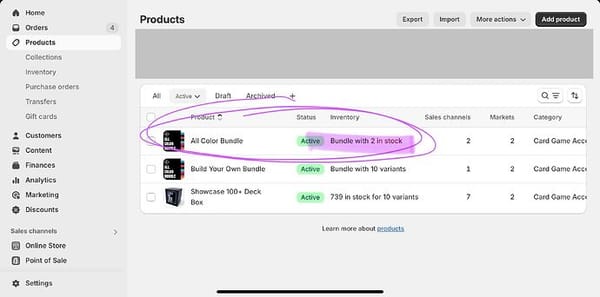
Forecasting depends entirely on accurate stock information. No matter how good the method, if your on-hand inventory is wrong or your system treats bundles and components separately, the forecast is flawed.
Modern supply chain guidance stresses the importance of combining clean sales data with forecasting logic to avoid stockouts or excess inventory.
Inventory forecasting is not about predicting the future perfectly. It is about reducing uncertainty and making informed decisions that align stock with real business needs. When done properly, it cuts costs, improves fulfilment reliability, and strengthens operational control.